


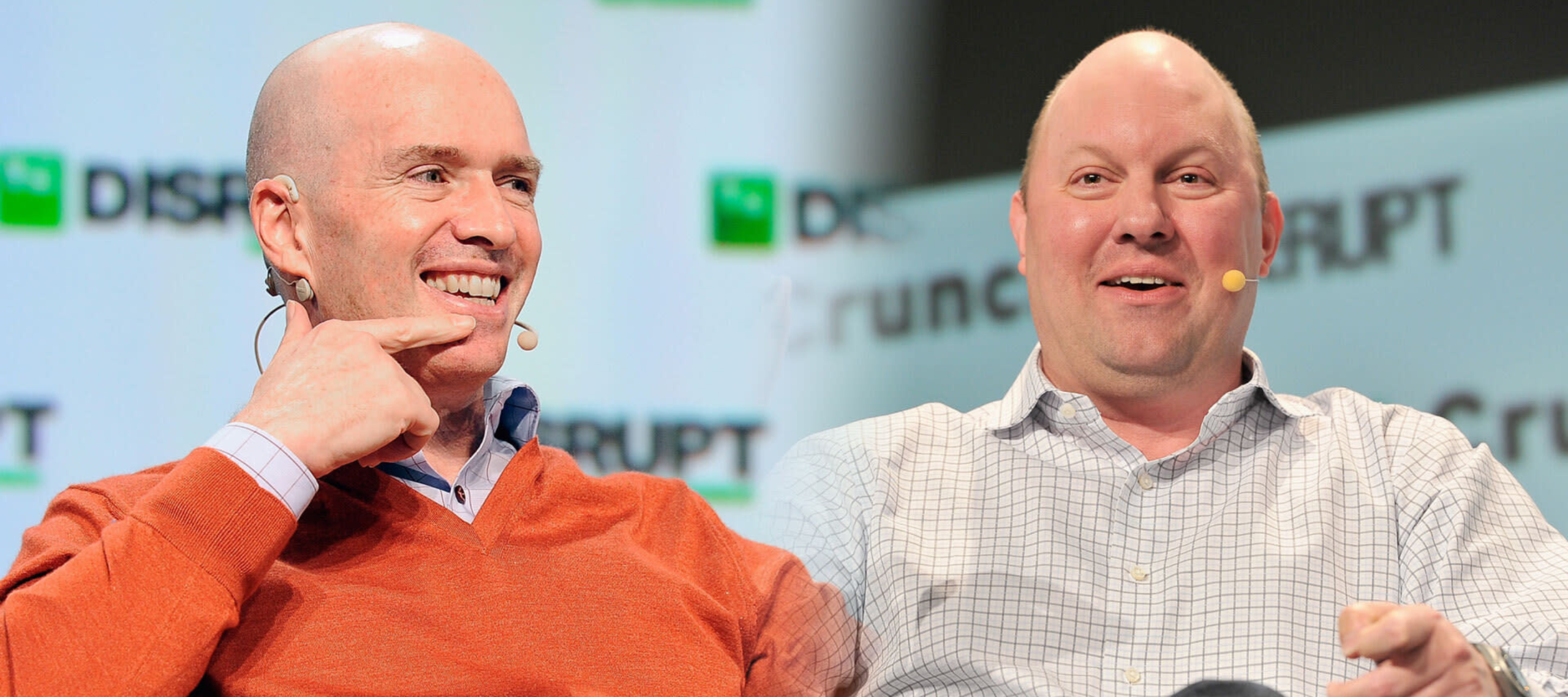
a16z Ramps Up Washington Lobbying With $1.49M Spend in 2025
Andreessen Horowitz (a16z) is making an unmistakable push in Washington, pouring $1.49 million into federal lobbying so far this year—a figure that already places it ahead of many competitors and even its own industry trade body, the National Venture Capital Association (NVCA), which reported $1.40 million.
Lobbying disclosures filed with Congress highlight just how aggressively the Silicon Valley venture capital giant is pursuing influence in U.S. policymaking circles.
Rising Lobbying Spend Year-on-Year
According to a TechCrunch review of lobbying records, the firm’s lobbying budget has been climbing rapidly:
-
$950,000 in 2023
-
$1.8 million in 2024
-
$1.49 million already in 2025, with months still to go
This steady increase underscores the firm’s commitment to shaping regulatory and legislative discussions around emerging technologies.
Standing Apart From Rivals
Compared with other leading VC firms, a16z’s investment in lobbying is exceptional.
-
Sequoia Capital has logged just $120,000 in lobbying spend so far this year.
-
General Catalyst stands at $500,000.
By contrast, a16z is not only outpacing direct rivals but even slightly surpassing the NVCA, the sector’s primary trade association.
The “Little Tech” Agenda and Policy Priorities
When asked about the strategy, a16z pointed reporters back to its co-founders’ writings on policy priorities, particularly the firm’s “Little Tech” agenda.
In a December 2023 article, co-founder Ben Horowitz emphasized the company’s pragmatic approach:
“If a candidate supports an optimistic technology-enabled future, we are for them. If they want to choke off important technologies, we are against them.”
The firm maintains it is non-partisan and issue-focused, supporting any political figure aligned with technological progress.
Expanding Into Defense and National Security
a16z’s lobbying disclosures reveal widening ambitions that extend beyond digital assets and AI.
-
In Q3 2023, the firm listed the National Defense Authorization Act as a lobbying issue for the first time.
-
By Q2 2024, filings included the National Security Council, indicating that finance and technology are being positioned in national security terms.
This shift aligns with a16z’s push into regulated sectors like defense and industrial policy, areas championed by its American Dynamism practice.
The firm’s recent hire of Anne Neuberger, former U.S. Deputy National Security Advisor, as a senior advisor on AI, cyber, and American Dynamism further reinforces this strategic pivot.
A Bipartisan Approach to Influence
Although co-founders Marc Andreessen and Ben Horowitz publicly supported Donald Trump in the last election, the firm’s policy operation is bipartisan. a16z has recruited government affairs professionals from both Democratic and Republican backgrounds to ensure broader reach within Washington.
Lobbying Dollars vs. Political Access
It’s worth noting that spending doesn’t always equal influence. Rival VC Founders Fund, for instance, reports little lobbying spend but has deep ties in U.S. defense and government:
-
Trae Stephens, a partner, co-led the 2016 Department of Defense transition team and was floated in 2024 for Deputy Secretary of Defense.
-
Michael Kratsios, a Thiel Capital aide, became Acting Under Secretary of Defense for Research and Engineering in 2020 and is now the President’s science advisor.
This example shows that networks and relationships can matter as much as registered lobbying spend.
Beyond Lobbying: PAC Influence
In addition to formal lobbying, a16z leverages political action committees (PACs). The Wall Street Journal recently reported that the firm is backing a pro-AI PAC network called Leading the Future, signaling another channel through which the VC powerhouse is trying to influence U.S. policy.
Conclusion
Andreessen Horowitz is reshaping how venture capital interacts with Washington. With $1.49 million already spent in 2025, bipartisan hires, and strategic focus on defense, AI, and national security, a16z is positioning itself not just as a major player in technology investment, but as a policy-shaping force.
Its efforts highlight a growing reality: in today’s regulatory environment, Silicon Valley’s future is increasingly being decided not only in boardrooms—but also in the corridors of Capitol Hill.


0 Comments