


Settlement Amid Price Hike Controversy
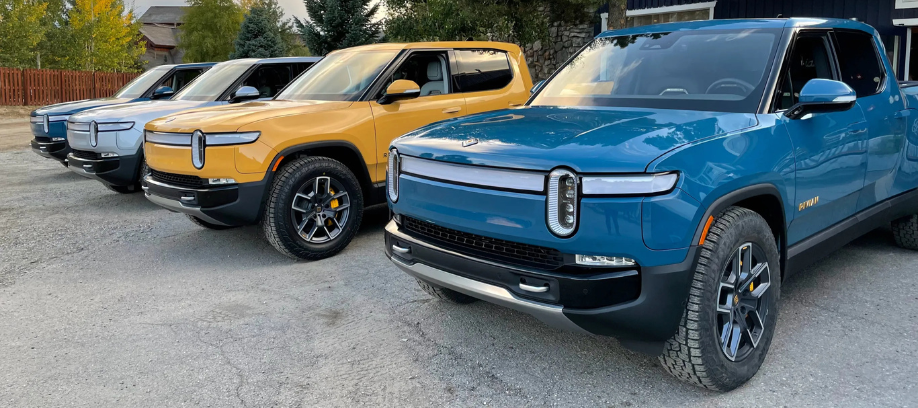
Rivian Automotive has reached an agreement to pay US $250 million to resolve a class-action lawsuit brought by shareholders in the aftermath of the company’s price increase for its R1 electric pickup and SUV models in 2022.
The lawsuit alleged that Rivian had made “materially false and misleading” statements in regulatory filings and investor disclosures ahead of its November 2021 IPO, particularly under-estimating the cost of manufacturing the R1 vehicles.
Despite the settlement, Rivian insists it is not admitting fault. As the company stated: “The company denies the allegations in the suit and maintains that this agreement to settle is not an admission of fault or wrongdoing.”
Breakdown of the Settlement Payment
The payment must still receive approval from the United States District Court for the Central District of California.
Under the terms:
-
US $67 million will be covered by directors’ and officers’ liability insurance.
-
The remaining US $183 million will come from Rivian’s cash reserves.
As of 30 June, the company reported having US $4.8 billion in cash and equivalents.
Strategic Implications for Rivian
The settlement comes at a critical time for Rivian. The company is preparing to launch its second-generation EV model, the R2 SUV, in 2026 — a vehicle designed to be more affordable than its R1 lineup and produced at higher volumes. Rivian has announced plans to build up to 150,000 units per year at its Illinois factory and is constructing a new facility in Georgia for the R2 and future models.
At the same time, sales of the R1 have been underperforming: Rivian expects to ship significantly fewer units in 2025 than in both 2023 and 2024. The company has cited the loss of a federal EV tax credit and tariffs under the previous US administration as additional headwinds.
In response to the pressure, Rivian also announced it would reduce its workforce by more than 600 employees — approximately 4.5 % of its headcount — and the current CEO, RJ Scaringe, is stepping in as interim Chief Marketing Officer.
The Root of the Legal Challenge
Rivian began delivering the first R1 pickup trucks in late 2021. In March 2022 the company raised the purchase price for both the R1 pickup and R1 SUV models by nearly 20 %, attributing the increase to supply-chain constraints, inflation and the necessity of introducing cheaper future models. The price hike applied even to customers who had placed pre-orders and were on waiting lists.
Unsurprisingly, this move sparked intense customer backlash. Rivian quickly reversed the price increase for those with pre-orders. More importantly from the investment side, the announcement sent Rivian’s share price tumbling.
In a letter at the time, RJ Scaringe acknowledged the misstep:
“It was wrong and we broke your trust in Rivian,” he wrote. “I have made a lot of mistakes since starting Rivian more than 12 years ago, but this one has been the most painful.”
Shortly after this, shareholder Charles Larry Crews filed the class action suit, accusing Rivian of misrepresenting manufacturing costs and thereby causing investor losses when the price hike hit and the stock fell. The court granted class-action status in July 2024.
What This Means for Stakeholders
For investors and shareholders, the settlement offers a measure of compensation but also underscores the risks associated with rapid growth, ambitious cost targets and market expectations in the EV space.
For Rivian, the pact clears a legal overhang and allows focus to shift fully to execution — particularly the launch of the R2 model and operational scaling in a tougher market environment.
For the broader EV market, the case serves as a warning: pricing strategy, cost transparency and investor communication are critical in an industry where margins are thin and public scrutiny is intense.
Looking Ahead
As Rivian moves into its next chapter, all eyes will be on whether the company can deliver the R2 on schedule and on budget, rebuild consumer and investor confidence, and manage costs in a market that is facing slower growth after the expiration of key tax incentives. A successful roll-out could turn the page for Rivian. Conversely, failure to meet expectations may prolong the shadows cast by recent challenges.



0 Comments