


Australia’s Solar Surge Set to Deliver Free Electricity to Millions by 2026
Australia’s ambitious solar energy investments are now translating into tangible benefits for consumers. Starting in July 2026, households across several Australian states will begin receiving up to three hours of free electricity per day, marking a major milestone in the country’s renewable energy transition.
Harnessing the Power of Rooftop Solar
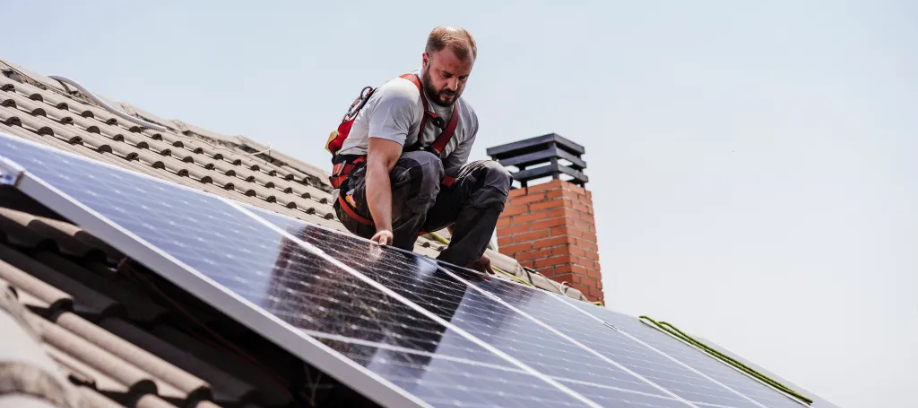
Over the past decade, Australians have embraced solar power at an extraordinary pace. Rooftop installations in the country now cost roughly $840 (USD) per kilowatt of capacity before rebates—around one-third of the price paid by U.S. households. This affordability has fueled mass adoption, with more than one in three Australian homes now featuring solar panels.
“Now we’re at the level where we can share more of that power with more Australians,” said Chris Bowen, Australia’s Minister for Climate Change and Energy, in an Instagram announcement unveiling the plan.
Introducing the Solar Sharer Plan
The new Solar Sharer program will initially roll out across New South Wales, South Australia, and southeastern Queensland, with more regions expected to follow. Importantly, participation won’t require homeowners to have rooftop solar panels. The only prerequisite is a smart meter, enabling equitable access even for those living in apartments or shaded areas.
Bowen explained that the program will help “those who live in apartments or don’t have a suitable rooftop to benefit from their neighbors’ panels.” While the exact free-energy hours haven’t been confirmed, the government is expected to designate midday periods—likely between 11 a.m. and 2 p.m.—when solar generation peaks.
Encouraging Smarter Energy Use
Customers will need to opt into the plan, which is designed to incentivize energy use during daylight hours. By shifting activities such as charging electric vehicles or running laundry to midday, households can maximize savings and reduce nighttime demand.
“The free electricity hours help us with the grid at night too,” Bowen noted, “because that means transferring the use of power from nighttime—when power is more expensive because it’s being run more by coal and gas—to the middle of the day when it’s being run by renewable energy.”
This load-shifting approach not only saves consumers money but also reduces the pressure to install costly, large-scale battery storage facilities.
A Global Shift Toward Renewable-Driven Energy Pricing
Australia’s initiative follows similar experiments abroad. In the United Kingdom, Octopus Energy has trialed its Agile plan, which occasionally offers customers free electricity during renewable power surges—though not as consistently as Australia’s upcoming policy.
Elsewhere, regions with abundant solar capacity are already experiencing negative electricity prices during midday peaks, meaning power companies sometimes pay customers to consume energy.
Given Australia’s exceptional sunlight exposure—comparable to the U.S. Southwest and much of southern Europe—its large-scale solar adoption offers a glimpse into how renewable energy could reshape pricing structures globally.
Looking Ahead
With the Solar Sharer plan, Australia is not only rewarding years of investment in clean energy but also setting a precedent for how nations can make renewable power accessible to all citizens. If successful, this initiative could serve as a model for other countries aiming to integrate renewable energy more equitably into daily life.



0 Comments