


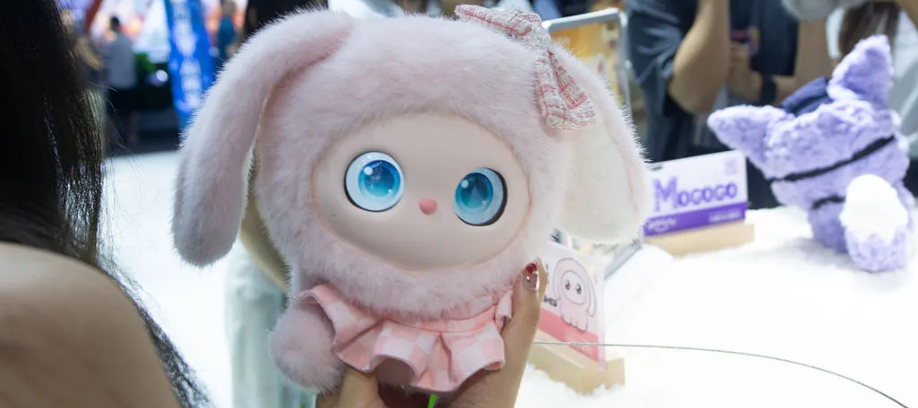
California Senator Proposes Four-Year Ban on AI Chatbots in Children’s Toys
California lawmakers are taking a bold step to safeguard children from potential risks posed by artificial intelligence (AI) in toys. Senator Steve Padilla (D-CA) introduced legislation on Monday that would halt the sale and manufacture of toys featuring AI chatbot capabilities for minors under 18 for four years. The proposed pause aims to give safety regulators time to develop comprehensive rules to protect children from “dangerous AI interactions.”
“Bold Action” to Protect Children
“Chatbots and other AI tools may become integral parts of our lives in the future, but the dangers they pose now require us to take bold action to protect our children,” Senator Padilla said in a statement. “Our safety regulations around this kind of technology are in their infancy and will need to grow as exponentially as the capabilities of this technology do. Pausing the sale of these chatbot-integrated toys allows us time to craft the appropriate safety guidelines and framework for these toys to follow.”
The bill, known as SB 867, arrives amid ongoing debates about state versus federal authority on AI regulation. While President Trump’s recent executive order directs federal agencies to challenge state AI laws in court, it explicitly allows exceptions for state legislation concerning child safety.
Background: Safety Concerns and Past Incidents
Lawmakers’ concerns are not hypothetical. Over the past year, several lawsuits have emerged from families whose children died by suicide following prolonged interactions with chatbots. Such tragedies have spurred legislation at both the federal and state levels. Padilla previously co-authored California’s SB 243, requiring chatbot operators to implement safeguards for children and vulnerable users.
Though AI toys are not yet widespread, early incidents have raised red flags. In November 2025, the PIRG Education Fund highlighted risks in toys like Kumma, a plush bear with a chatbot, which could be manipulated into discussing matches, knives, and sexual content. Similarly, Miiloo, an AI toy for children developed by Chinese company Miriat, reportedly displayed programming aligned with Chinese Communist Party values, according to NBC News.
Big Tech and Delayed AI Toys
Major companies are treading carefully in this space. OpenAI and Mattel, the maker of Barbie, had planned to launch an AI-powered toy in 2025 but postponed the release. The reasons remain unclear, and there is no confirmation if these products will arrive in 2026.
Padilla emphasized the stakes: “Our children cannot be used as lab rats for Big Tech to experiment on.”
Looking Ahead
SB 867 represents a significant move in regulating emerging AI technologies in children’s products. If passed, the four-year moratorium would allow California regulators to create safety standards that keep pace with AI’s rapid development while prioritizing the well-being of children.




0 Comments