


The Manus Saga Enters a Predictable — Yet High-Stakes — Phase
A Rising AI Star Caught Between Global Power Struggles
The intensifying artificial intelligence rivalry between the United States and China continues to reshape the global tech landscape. While Beijing is investing heavily in domestic AI innovation and tightening regulatory control, concerns persist over talent migration and capital flow դեպի Western markets.
Against this backdrop, one of China’s most talked-about AI startups, Manus, has taken a surprising path — relocating operations to Singapore before being acquired by Meta in a deal valued at $2 billion.
The move has triggered strong reactions on both sides of the geopolitical divide, raising an obvious question: was this outcome ever going to avoid scrutiny?
From Breakthrough Debut to Rapid Growth
Manus first captured global attention in early 2025, unveiling a demonstration of its AI agent capable of screening job applicants, planning travel itineraries, and analysing investment portfolios. The company boldly claimed its system surpassed OpenAI’s Deep Research capabilities.
Investor interest followed swiftly. Within weeks, Benchmark, a leading Silicon Valley venture capital firm, led a $75 million funding round, valuing the company at $500 million.
The investment raised political concerns in the United States. At the time, Senator John Cornyn publicly questioned the decision, stating:
“Who thinks it is a good idea for American investors to subsidize our biggest adversary in AI, only to have the CCP use that technology to challenge us economically and militarily? Not me.”
Despite the controversy, Manus continued its rapid ascent. By December, the company had accumulated millions of users and generated more than $100 million in annual recurring revenue.
Meta’s Strategic Acquisition
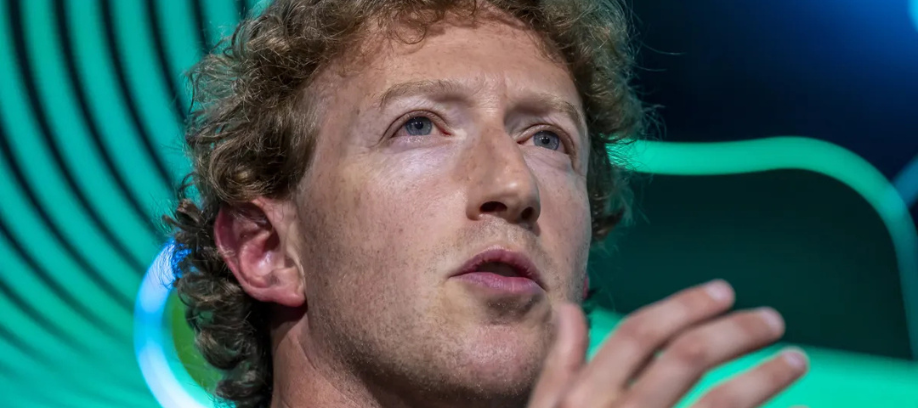
The next major turning point came when Meta, under CEO Mark Zuckerberg’s AI-focused strategy, acquired Manus for $2 billion.
The deal signaled Meta’s intent to strengthen its position in the global AI race. However, it also amplified geopolitical sensitivities, particularly given Manus’s origins in China.
A Deliberate Shift Away from China
In the months leading up to the acquisition, Manus had already begun repositioning itself internationally. The company moved its headquarters and core team from Beijing to Singapore and undertook ownership restructuring efforts.
Following the acquisition announcement, Meta committed to severing ties with Manus’s Chinese investors and shutting down its operations in China altogether.
By all indications, Manus was attempting to establish itself as a Singapore-based entity — a strategic move that did not go unnoticed.
Beijing’s Concerns Over ‘Selling Young Crops’
In China, such developments are viewed through a different lens. There is a widely used term — “selling young crops” — describing domestic tech firms that relocate abroad and sell prematurely to foreign buyers, taking intellectual property and talent with them.
Chinese authorities have historically taken a firm stance on maintaining control over strategic industries, particularly technology.
The precedent is well known. In 2020, after Alibaba founder Jack Ma criticised regulators, he disappeared from public view for months. Shortly after, Ant Group’s IPO was halted, and Alibaba received a $2.8 billion fine. This was followed by a broader regulatory crackdown that erased hundreds of billions in market value across China’s tech sector.
Regulatory Scrutiny Begins
Recent developments suggest Manus is now under official review. According to a report by the Financial Times, co-founders Xiao Hong and Ji Yichao were called in for a meeting with China’s National Development and Reform Commission.
They were reportedly informed that international travel would be restricted temporarily.
At this stage, no formal charges have been filed. Authorities have described the situation as a routine regulatory inquiry into whether the Meta transaction breached foreign investment regulations.
A High-Risk Strategy in a High-Stakes Race
For Manus, the strategy to expand beyond China’s regulatory reach and align with a global tech giant may have seemed viable. However, given the strategic importance of AI in global competition, such a move was always likely to attract scrutiny.
Whether the company successfully navigates this situation remains uncertain. What is clear is that Beijing is now seeking clarity — and the company’s founders are expected to remain within reach until answers are provided.




0 Comments