


Delaware Supreme Court Reverses Ruling on Musk Compensation
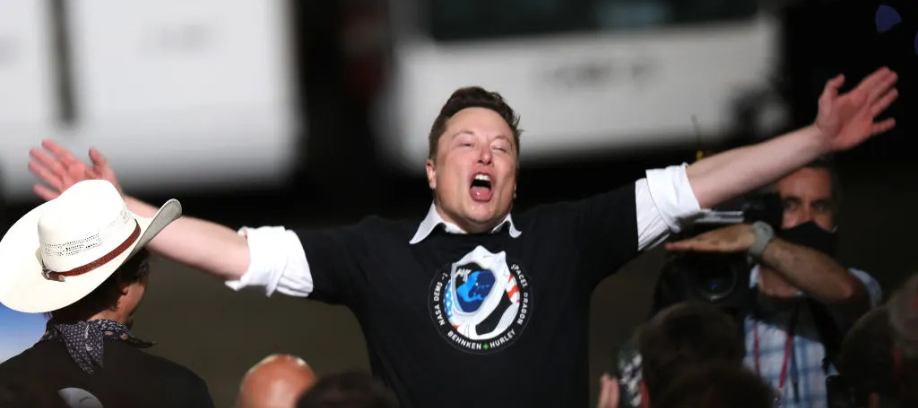
The Delaware Supreme Court has overturned a previous lower-court decision and reinstated Elon Musk’s 2018 Tesla compensation package, valued at $56 billion at the time. The ruling, published on Friday, reverses a 2024 judgment by Delaware’s Chancery Court that had invalidated the deal.
In a unanimous opinion, the state’s highest court concluded that eliminating the compensation plan left Musk “uncompensated for his time and efforts over a period of six years.” With Tesla’s share price reaching record levels this week, the restored package would now be worth approximately $140 billion, based on Bloomberg estimates.
A Long-Running Legal Battle Nears Its End
The decision is expected to bring closure to a years-long legal dispute that significantly strained Musk’s relationship with Delaware. The controversy was a key factor behind Tesla’s move to shift its incorporation from Delaware to Texas—a step that later encouraged other companies to consider similar relocations.
Reacting to the ruling, Musk posted a single-word response on X: “Vindicated.” He later added, “Thank you for your unwavering support,” in a reply to Tesla shareholder Alexandra Merz, widely known online as “TeslaBoomerMama.”
Impact on Tesla’s Other Compensation Plans
Following the court’s ruling, Tesla is now expected to withdraw a $29 billion pay package it granted Musk earlier this year. That award was designed as a safeguard in case the Supreme Court upheld the Chancery Court’s decision.
Separately, a $1 trillion compensation framework approved for Musk in November remains in place. That package is not affected by the court’s ruling and continues to be tied to a series of ambitious performance milestones that Musk must achieve to unlock its full value.
Origins of the Dispute
The original 2018 compensation plan was structured around a set of demanding operational and market-capitalization targets. Musk and Tesla ultimately met all of those benchmarks. However, shortly after the plan was approved, a shareholder lawsuit was filed alleging that the agreement had been improperly negotiated and that investors were not adequately informed about potential conflicts of interest.
Supporters of Musk criticized the lawsuit, noting that the plaintiff, Richard Tornetta—a former corporate defense lawyer and heavy metal drummer—held just nine Tesla shares at the time the case was brought.
From Chancery Court to Supreme Court
After years of legal proceedings, including a trial in which Musk testified, the Chancery Court judge sided with the plaintiff and struck down the compensation package in January 2024. Although Tesla shareholders later voted at the company’s 2024 annual meeting to “re-approve” the plan, the judge reaffirmed her ruling in December 2024.
Tesla subsequently appealed, leading to the Delaware Supreme Court’s decision to reinstate the pay package—effectively closing one of the most closely watched executive compensation cases in recent corporate history.



0 Comments