


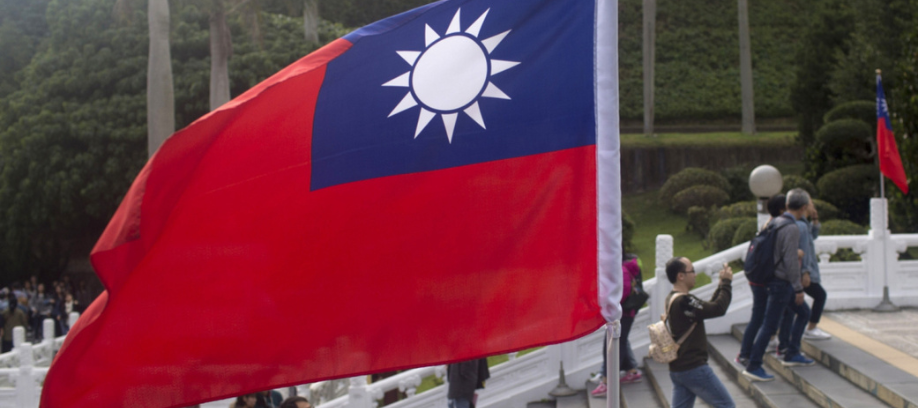
Taiwan to Pump $250 Billion into U.S. Semiconductor Manufacturing
The Trump administration has finalized a landmark multibillion-dollar trade agreement with Taiwan aimed at strengthening domestic semiconductor production in the United States.
According to the U.S. Department of Commerce, Taiwanese semiconductor and technology companies have committed to invest $250 billion directly into U.S. semiconductor operations. These investments will target semiconductors, energy, and AI production and innovation, the department said in a press release. Taiwan currently accounts for more than 50% of global semiconductor output.
In addition to direct investments, Taiwan will provide another $250 billion in credit guarantees to support further investments from these tech and semiconductor firms. The exact timeline for these investments has not yet been clarified.
Mutual Investments Across Strategic Industries
The agreement is not one-sided. In return, the United States will invest in Taiwan’s semiconductor, defense, AI, telecommunications, and biotech sectors, though the press release did not specify the financial scale of these commitments.
The announcement comes just a day after the Trump administration released a proclamation reaffirming the nation’s goal to reshore semiconductor manufacturing, noting that only 10% of semiconductors are currently produced in the U.S.
“This dependence on foreign supply chains is a significant economic and national security risk,” the proclamation stated. “Given the foundational role that semiconductors play in the modern economy and national defense, a disruption of import-reliant supply chains could strain the United States’ industrial and military capabilities.”
Tariffs and Future Trade Measures
The proclamation also introduced 25% tariffs on certain advanced AI chips and signaled that additional semiconductor tariffs may follow once trade discussions with other countries, including Taiwan, are finalized.
This agreement represents a major strategic step for the United States in bolstering its domestic semiconductor capacity, while also deepening economic and technological ties with Taiwan, one of the world’s leading semiconductor producers.



0 Comments