


Florida Plans to Channel Nearly $200M in EV Funding into Air Taxi Infrastructure
Florida is preparing to use federal funding originally allocated for electric vehicle charging infrastructure to develop a statewide network for electric air taxis.
The decision comes despite Florida having the second-highest number of electric vehicles in the United States, with only one state recording more. Florida also has fewer public chargers per vehicle than the national average.
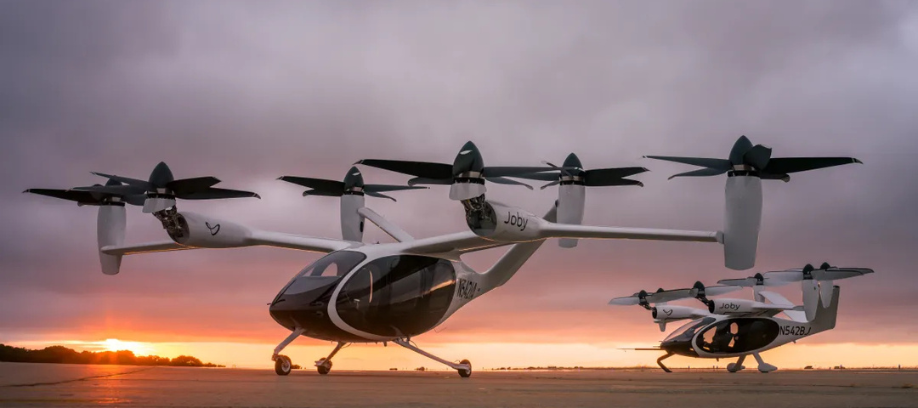
According to reporting by the Miami Herald, Florida officials intend to direct nearly $200 million towards 32 landing sites equipped with charging systems for electric vertical take-off and landing aircraft, commonly known as eVTOLs.
Federal Funding Originally Intended for Road Vehicles
Florida received nearly $200 million through the National Electric Vehicle Infrastructure programme, or NEVI, which was established under the Bipartisan Infrastructure Law.
The federal initiative provides nearly $5 billion to help states develop a nationwide network of publicly accessible EV charging stations, particularly along designated alternative fuel corridors.
However, Florida did not spend its allocation on conventional roadside charging facilities. State officials have argued that private businesses have already made sufficient progress in developing charging networks across Florida.
The Florida Department of Transportation now plans to apply the funding to infrastructure supporting electric aircraft instead.
Florida Envisions a Network of 32 Air Taxi Sites
The proposed project would include 32 landing pads with charging stations for eVTOL aircraft.
These specialised facilities, generally known as vertiports, would allow electric aircraft to land vertically, recharge and depart without requiring a traditional airport runway.
Florida’s own advanced-air-mobility planning documents state that vertiports will need sufficient electrical capacity, charging-site safety procedures, emergency-service access and connections to existing transport networks.
The locations being considered reportedly include airports, golf courses and luxury apartment developments. These sites could eventually connect residential, commercial and aviation destinations across the state.
State Hopes Air Taxis Will Reduce Traffic
Florida officials believe electric aircraft could provide another transportation option in areas affected by heavy road congestion.
The aircraft being developed for passenger services generally hold four to five passengers and are designed to travel between urban and regional destinations.
FDOT describes advanced air mobility as a system that could supplement existing transport networks by enabling faster journeys, additional mobility choices and new cargo or emergency-service options.
The department is already developing what it calls an intercity aerial highway network intended to connect Florida’s major metropolitan areas. SunTrax in Polk County has also been selected as a research and testing centre for eVTOL operations and supporting infrastructure.
Florida Law Expands Support for Vertiports
Florida has taken legislative steps to make public investment in air taxi infrastructure possible.
A law approved in April 2026 specifically added vertiports and charging systems to the types of projects eligible for public-private partnership funding.
The legislation allows FDOT to cover all project costs for a public vertiport when federal funding is unavailable. When federal support is available, the department may provide up to 80% of the non-federal portion of the project’s costs. The law became effective on July 1, 2026.
Revised NEVI Rules Give States More Flexibility
The Trump administration revised the NEVI programme’s guidance in August 2025, simplifying state applications and giving transportation departments greater flexibility when planning charging infrastructure.
Federal rules allow a state whose designated charging corridors have been certified as “fully built out” to use its allocation for “EV charging infrastructure on any public road or in other publicly accessible locations.”
Florida appears to be applying that flexibility to publicly accessible charging systems designed for electric aircraft rather than concentrating entirely on road-going EVs.
Other States Prioritise Community Charging
Other states have taken a more conventional approach to their NEVI allocations.
New York announced a $45 million programme in April 2026 to support fast-charging stations along alternative fuel corridors and in communities underserved by public charging infrastructure.
North Carolina expects to receive up to $109 million through NEVI. Its programme includes an initial corridor-charging phase followed by community-level infrastructure intended to support EV drivers throughout the state.
Community chargers can be particularly important for renters and homeowners who do not have assigned parking or the ability to install private charging equipment.
An Early Investment in an Emerging Market
The commercial eVTOL industry remains at an early stage. Manufacturers continue working towards certification and production-ready aircraft, while several companies are also exploring defence and public-service applications.
Florida’s strategy represents a significant investment in infrastructure for a transportation market that has not yet reached widespread commercial operation.
Supporters may view the plan as an opportunity for Florida to establish an early position in advanced aviation. However, the decision is also likely to generate questions about whether funding intended to expand everyday EV charging should instead support air taxi facilities at airports, luxury properties and golf courses.
Online References
Federal Highway Administration — NEVI funding requirements and eligible infrastructure.
Florida Department of Transportation — Advanced Air Mobility programme.
Florida House of Representatives — Final analysis of the 2026 vertiport legislation.
New York State Energy Research and Development Authority — New York’s NEVI programme.
North Carolina Department of Transportation — NEVI programme information.




0 Comments