


A Harsh Reality Check for Hardware Companies
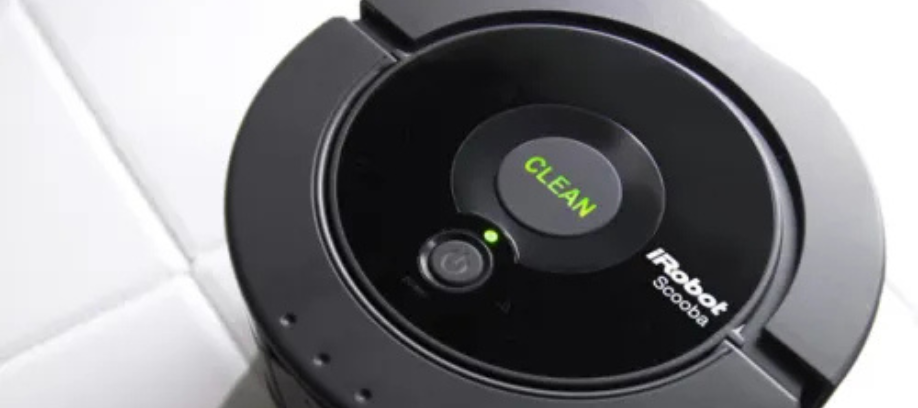
The global hardware industry faced a sobering moment this week as iRobot, Luminar, and Rad Power Bikes each filed for bankruptcy. While the three companies operate in different segments—from consumer robotics to automotive sensors and electric bikes—their financial struggles highlight shared pressures affecting manufacturers worldwide.
Rising tariffs, persistent supply chain disruptions, and intensifying competition from low-cost overseas producers have created an unforgiving environment for companies that design and build physical products. Together, these bankruptcies underscore how difficult it has become to scale hardware businesses amid global trade tensions and rapidly changing market dynamics.
From Market Darlings to Financial Distress
Each of the affected companies followed a different path to the same outcome. iRobot, best known for its Roomba vacuum cleaners, once stood on the brink of a high-profile acquisition by Amazon, a deal that ultimately failed to materialise. Rad Power Bikes, despite strong brand recognition in the e-bike space, struggled to reduce its reliance on a Chinese-based supply chain. Luminar, operating in advanced automotive technology, faced its own challenges as market demand and funding conditions shifted.
Collectively, these cases serve as a cautionary tale for hardware startups and investors alike, highlighting the risks of capital-intensive manufacturing in an era dominated by software scalability and global cost competition.
Insights from TechCrunch’s Equity Podcast
The developments were analysed in detail on TechCrunch’s Equity podcast, where hosts Anthony Ha, Rebecca Bellan, and Sean O’Kane examined what went wrong for the three once-promising hardware companies. The episode also explored broader tech and policy themes, including Amazon’s significant investment in OpenAI and former US President Donald Trump’s evolving stance on AI regulation.
Other Key Topics from the Week
The podcast also covered several notable stories shaping the technology and business landscape:
-
How “slop” became Merriam-Webster’s word of the year, and why the term now extends beyond AI-generated content
-
Why Databricks raised $10 billion at a $134 billion valuation (in a Series L!) instead of opting for a public listing
-
The proposed Coursera–Udemy merger, and whether online education platforms can remain competitive in the age of artificial intelligence
Listeners can access the full Equity episode on YouTube, Apple Podcasts, Overcast, Spotify, and other major podcast platforms. The show is also active on X and Threads via @EquityPod.
A Warning Signal for the Industry
As these bankruptcies demonstrate, success in hardware manufacturing now demands more than innovation alone. Cost control, supply chain resilience, and strategic positioning have become critical survival factors. For founders, investors, and policymakers, the collapse of iRobot, Luminar, and Rad Power Bikes offers a timely reminder of the structural challenges facing the hardware sector today.


0 Comments