


Why Distribution, Not Product, Is the True Moat for Startups in the AI Era
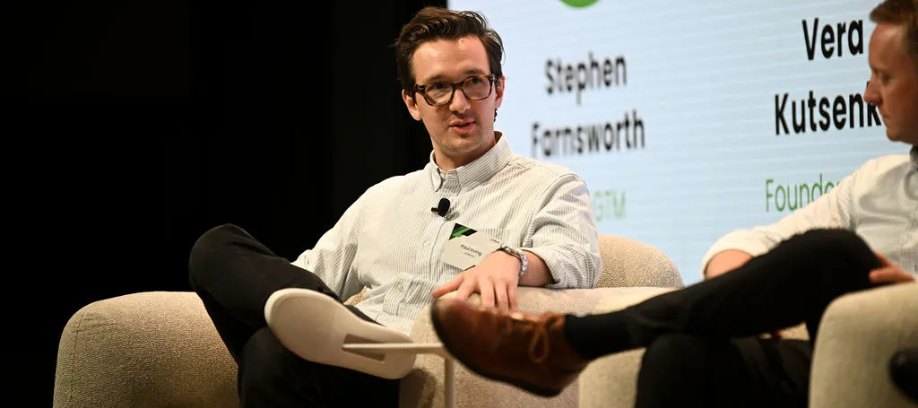
Building software products has never been easier, yet many well-funded startups still struggle to gain traction. In the season finale of Build Mode, Paul Irving, partner and COO at GTMfund, offered a clear explanation: startups are focusing too heavily on product development and overlooking the critical role of distribution.
GTMfund operates under the thesis that distribution is the final moat in the AI era, especially as innovation cycles accelerate and traditional go-to-market strategies no longer guarantee success.
The Limits of Traditional Go-to-Market Playbooks
“The aperture for how you build your go-to-market or revenue engine and the decisions you make to get there have never had more unique and specific pathways depending on your company,” Irving said.
In previous generations of enterprise SaaS, one-size-fits-all approaches to hiring and scaling were sufficient. Today, startups must navigate a crowded, AI-driven marketplace where what once took years can now be accomplished in a few months. GTMfund advises its portfolio companies to differentiate through distribution rather than product alone.
Practical Distribution Strategies for Startups
Irving shared several actionable insights for early-stage companies:
-
Leverage AI for targeted customer outreach: Small teams can use AI tools to identify precise paths to potential buyers.
-
Focus on selective channels: Founders shouldn’t attempt every distribution channel at once; prioritization is key.
-
Hire thoughtfully: Avoid traditional hiring mindsets and consider how each new team member supports creative go-to-market strategies.
-
Build a trusted advisory network: A strong support network can provide guidance, open doors, and amplify distribution efforts.
One example Irving highlighted involved a startup that engaged deeply with specific Facebook groups. “If you think about it in the framework of, okay, it’s a thousand people, but 700 of them are my actual ICP and buyer because of the specific groups that either we started as a company or the ones that we’ve become the most active posters in. It can become a really unique channel if you’re looking to bring on 40, 50, 60 new customers in a given year,” he explained.
Early-Stage Investors Value Creativity Over Spending
At GTMfund, investors aren’t impressed by startups that allocate half their budget to paid ads or build large sales teams prematurely. Instead, they seek founders who think creatively about reaching their unique customer base. Irving emphasizes that while the avenues for go-to-market strategies are broader than ever, founders cannot and should not navigate them alone.
GTMfund supports its portfolio companies by connecting them to a curated network of operators. These aren’t generic introductions — the pairings are bespoke, ensuring meaningful value for both founders and advisors.
“I think what’s wonderful about the venture-backed ecosystem more generally is people’s willingness to help. They know how hard it is to build a company. They know how low the likelihood of success is in the grand scheme of things, but people are always willing. If you come and you’re curious, you teach them something as part of that as well. People are usually willing to open up doors,” Irving said.
Final Thoughts
In an AI-driven market, product excellence alone isn’t enough. Startups that succeed are those that innovate in distribution, leverage AI tools creatively, and cultivate networks of support. GTMfund’s approach highlights that in 2025, the most defensible competitive advantage may not be what you build—but how you bring it to market.
Build Mode is hosted by Isabelle Johannessen, produced and edited by Maggie Nye, with Audience Development led by Morgan Little. Special thanks to the Foundry and Cheddar video teams.




0 Comments