


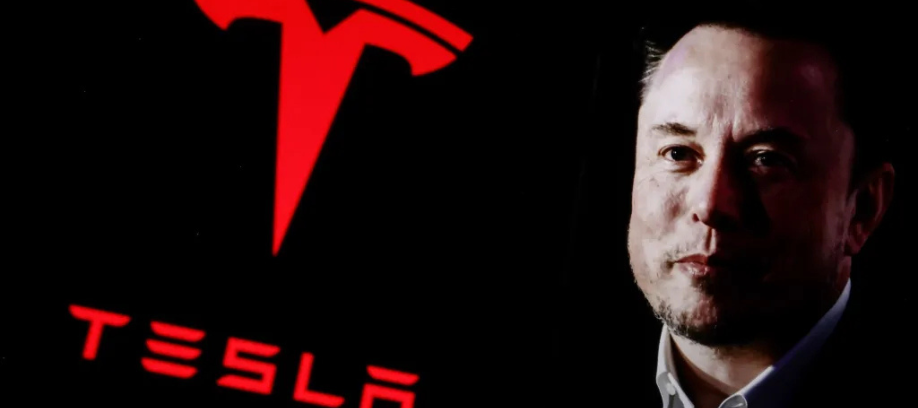
Norway’s Investment Giant Opposes Musk’s Massive Compensation Plan
Norway’s sovereign wealth fund, managed by Norges Bank Investment Management (NBIM), has cast its vote against Tesla’s proposal to grant CEO Elon Musk a compensation package valued at $1 trillion. The fund, which controls a 1.14% stake in Tesla worth approximately $11.7 billion as of June filings, cited concerns about the scale and structure of the package.
In an official statement, NBIM noted,
“While we appreciate the significant value created under Mr. Musk’s visionary role, we are concerned about the total size of the award, dilution, and lack of mitigation of key person risk — consistent with our views on executive compensation. We will continue to seek constructive dialogue with Tesla on this and other topics.”
A Major Investor Raises Red Flags
NBIM’s stance reflects a growing unease among institutional investors regarding executive pay and corporate governance. Although its opposition alone may not be enough to block the proposal, it adds momentum to the criticism surrounding Tesla’s bid to approve what could become the largest corporate performance-based pay deal in history.
The Norwegian fund, one of the world’s largest investors, routinely advocates for transparency, sustainability, and accountability in corporate management. Its decision underscores the tension between rewarding innovation and ensuring long-term shareholder protection.
Broader Opposition from Advisory Firms
NBIM isn’t alone in challenging Tesla’s compensation plan. Two influential proxy advisory firms — Institutional Shareholder Services (ISS) and Glass Lewis — have also advised shareholders to vote against Musk’s pay package. Both organizations have raised questions about the size of the potential payout and its alignment with shareholder interests.
Despite the growing resistance, Tesla’s board continues to back the plan, emphasizing Musk’s past success in driving the company’s extraordinary growth and market dominance.
Musk’s Response: It’s About Control, Not Cash
Elon Musk, for his part, insists that the compensation discussion is not primarily about money but rather about maintaining influence over the company’s direction. During Tesla’s third-quarter earnings call, Musk reiterated this view and even hinted at the possibility of leaving Tesla if the package isn’t approved.
The CEO has argued that maintaining his control is essential to continuing Tesla’s ambitious goals in AI, robotics, and energy solutions — key sectors in which he envisions the company leading global innovation.
What Comes Next
The vote from Norway’s fund adds another layer of complexity to Tesla’s ongoing efforts to win shareholder approval. While the outcome remains uncertain, the episode highlights a broader debate about executive compensation, corporate governance, and the balance of power between CEOs and investors.
As Tesla faces scrutiny from some of its largest shareholders, the result of this vote could set a precedent for how far companies are willing to go to retain visionary leaders — and at what cost to shareholders.


0 Comments