


OpenAI Introduces ChatGPT for Teens With New Safety and Learning Controls
OpenAI has launched ChatGPT for Teens, a dedicated version of its AI chatbot designed to provide younger users with additional safety protections while placing a stronger emphasis on learning and responsible AI use.
The rollout comes after growing legal and public scrutiny over the way conversational AI platforms interact with younger users, particularly around safety and mental well-being. It also arrives as schools continue to debate how generative AI should fit into education without simply becoming a shortcut for completing assignments.
According to OpenAI, ChatGPT for Teens began rolling out to eligible users on August 18, 2026, with teen-specific features automatically applied to accounts identified as belonging to people under 18.
Study Mode Puts More Focus on Learning
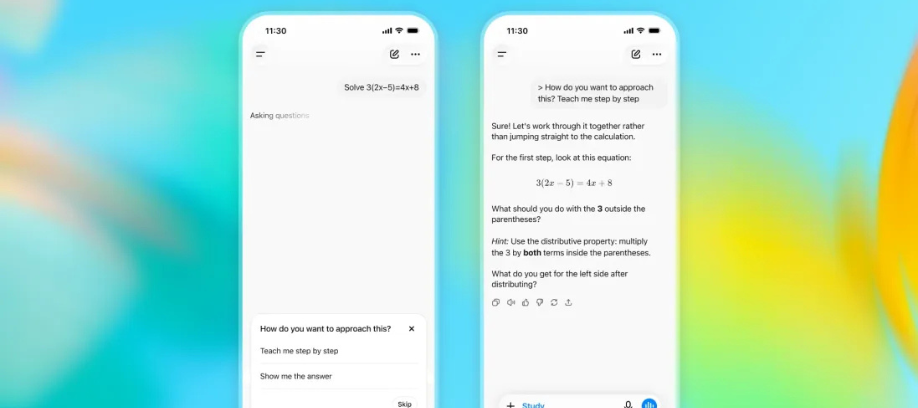
A major part of the new experience is Study Mode, which is intended to encourage students to work through subjects rather than immediately receiving a finished answer.
Instead of focusing only on providing solutions, Study Mode can offer hints, guiding questions, step-by-step explanations, follow-up questions and knowledge checks. OpenAI says the system is designed to help students understand how they reached an answer and strengthen their understanding of the subject.
ChatGPT for Teens also introduces homework reminders. When the system detects that a user may benefit from working through an assignment rather than receiving a direct response, it can suggest switching to Study Mode.
Additional learning features include quizzes and other tools that allow students to practise what they have learned and check their understanding.
Parents Gain Additional Learning Controls
Parents and guardians who link their accounts with a teen’s account can manage a range of settings through ChatGPT’s parental controls.
Among these options are controls for Study Mode, Study Hours and Quiet Hours. Study Hours can be used to determine when eligible new conversations begin in Study Mode, while Quiet Hours can restrict access to ChatGPT during selected periods.
Parents can also manage certain content safeguards and features such as voice functionality and image generation.
OpenAI says parental controls do not allow parents or guardians to read or monitor a teen’s conversations. Safety notifications can, however, be issued in limited circumstances where the company identifies a serious concern about a user’s well-being.
New Safeguards Are Enabled for Teen Accounts
OpenAI says ChatGPT for Teens includes age-appropriate protections intended to reduce exposure to sensitive, harmful or developmentally inappropriate material.
The protections build on the company’s Under-18 Principles within its Model Spec. OpenAI says these principles have been informed by “developmental science and guidance from experts.”
Teen accounts also receive features encouraging healthier patterns of use, including reminders to take breaks and notices reinforcing that ChatGPT is an AI system rather than a person.
The Timing Raises Questions
While the additional protections represent a significant change to the ChatGPT experience for younger users, their arrival also highlights how quickly the platform expanded before a dedicated teen version appeared.
ChatGPT first became publicly available in late 2022. By February 27, 2026, the platform had reached 900 million weekly active users, according to figures announced by OpenAI and reported by TechCrunch.
That enormous level of adoption means ChatGPT had already become part of everyday life for students, families and schools long before a separate teen-focused experience was introduced.
Another question will be how effective the new controls prove in practice. Digital safeguards can only deliver their intended results when users engage with them as designed, making the real-world effectiveness of Study Mode, homework reminders and parental settings an important area to watch as the rollout expands.
OpenAI Partners With CodeAI on AI Literacy
Alongside the launch, OpenAI has announced a partnership with CodeAI focused on improving AI literacy among students.
The initiative aims to help young people understand how AI systems operate, learn how to question their outputs and develop the skills needed to use the technology critically rather than accepting every response at face value.
OpenAI and CodeAI also plan to work on educational programmes covering responsible AI use, foundational AI knowledge and opportunities for students to build with the technology.
A Broader Push Into Education
ChatGPT for Teens forms part of OpenAI’s wider effort to establish a larger role for its technology across education.
The company already operates ChatGPT for Teachers, a dedicated workspace designed for educators and school leaders. It includes education-focused privacy, security and administrative controls intended to allow schools and districts to manage AI use in a more structured environment.
With ChatGPT for Teens, OpenAI is now attempting to address both sides of classroom AI adoption: providing educators with tools for managing the technology while giving younger users a version of ChatGPT that places greater emphasis on learning, safety and responsible use.
The long-term test will be whether those safeguards can keep pace with the increasingly central role AI is playing in students’ education and everyday digital lives.
Online References
- OpenAI — ChatGPT for Teens: official information covering availability, Study Mode, homework reminders, learning tools and teen safeguards.
- OpenAI — Under-18 Model Spec Principles: information on OpenAI’s approach to age-appropriate AI behaviour.
- OpenAI — Parental Controls: details on Study Mode, Study Hours, Quiet Hours and other family settings.
- OpenAI — Partnership with CodeAI: details of the companies’ AI-literacy initiative for students and educators.
- OpenAI — ChatGPT for Teachers: information on OpenAI’s education-focused workspace for teachers and schools.
- TechCrunch — ChatGPT reaches 900M weekly active users: report published February 27, 2026 confirming the 900 million weekly active users figure.




0 Comments