


Sam Altman Looks Beyond GPT-5: OpenAI’s Next Chapter
A Dinner with the Media in San Francisco
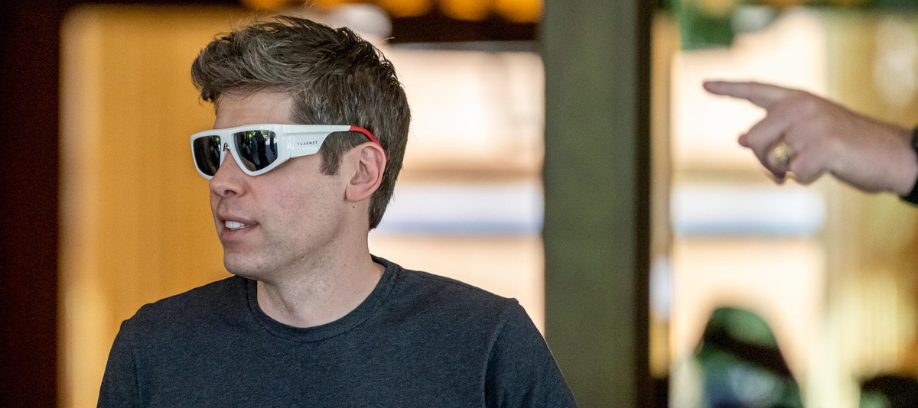
From a restaurant overlooking Alcatraz Island, OpenAI CEO Sam Altman welcomed a select group of technology reporters for dinner. The event, staged in a Mediterranean restaurant known for its premium menu, was as much about shaping the narrative as it was about food. Altman arrived with his iPhone in hand, notably without a case. When a reporter remarked, “No phone case is a bold choice,” Altman laughed and teased:
“Listen, we’re going to ship a device that is going to be so beautiful. If you put a case over it, I will personally hunt you down.”
This playful comment referred to the forthcoming AI hardware project being developed in collaboration with renowned designer Jony Ive.
GPT-5’s Mixed Reception
The dinner came just a week after the release of GPT-5, a model that had been anticipated for years but drew a mixed response. Unlike GPT-4, which had dramatically advanced expectations of AI, GPT-5 is seen as merely keeping pace with competitors such as Google and Anthropic.
OpenAI quickly reintroduced the GPT-4o model and the ChatGPT model picker after some users expressed dissatisfaction with GPT-5’s tone and overall experience. Altman admitted mistakes had been made:
“I legitimately just thought we screwed that up,” he said, referring to deprecating GPT-4o without notice. “We will give users a more clear transition period in the future.”
Despite the criticisms, GPT-5 is being rapidly adopted. OpenAI’s API traffic doubled within 48 hours of its launch, and Altman revealed the company is effectively “out of GPUs” due to demand. Several platforms, including Cursor and other AI coding tools, have already made GPT-5 their default.
Human Connection and Mental Health Concerns
One key theme of the dinner was how users relate to ChatGPT. Nick Turley, OpenAI’s VP of ChatGPT, acknowledged that GPT-5’s tone initially felt too robotic.
“GPT-5 was just very to the point. I like that. I use the robot personality — I’m German, you know, whatever,” he said. “But many people do not, and they really like the fact that ChatGPT would actually check in with you.”
To address this, OpenAI is rolling out updates to make GPT-5 “warmer” without being overly sycophantic. Importantly, the company has worked with mental health experts to create a framework that ensures the AI does not reinforce harmful behaviors.
Altman estimated that fewer than 1% of ChatGPT users have unhealthy relationships with the chatbot. However, given ChatGPT’s global scale, that still equates to tens of millions of people.
Expanding Beyond ChatGPT
More significant than the model launch itself, the dinner highlighted OpenAI’s ambitions beyond ChatGPT. Altman confirmed that Fidji Simo, former Meta executive and current CEO of Instacart, will soon join OpenAI as CEO of Applications. She will lead new consumer-facing products, potentially including an AI-powered browser to rival Google Chrome.
Altman even hinted that OpenAI would consider acquiring Chrome if it were ever up for sale:
“If Chrome is really going to sell, we should take a look at it. Is it actually going to sell? I assumed it wasn’t gonna happen.”
He also suggested OpenAI could pursue an AI-driven social media platform, saying there is “nothing” inspiring about the way AI is currently used in social networks.
Betting on the Future: Brain-Computer Interfaces and More
Altman further confirmed that OpenAI is exploring investments in Merge Labs, a startup in the brain-computer interface space, which would put it in competition with Elon Musk’s Neuralink.
“We have not done that deal yet; I would like us to,” Altman noted, describing Merge Labs as simply “a company that we’d invest in.”
Alongside experiments in search, enterprise software, robotics, energy, and data centers, these bets suggest OpenAI is positioning itself to become much larger than “just the ChatGPT company.”
Toward an Alphabet-Style Future
The evening revealed a paradox: GPT-5’s muted reception contrasted sharply with record-breaking adoption and revenue momentum. For Altman, though, this tension illustrates OpenAI’s transitional moment.
OpenAI’s trajectory increasingly resembles Alphabet, the parent company of Google, though Altman’s ambitions appear even broader. With the likelihood of an IPO on the horizon to fund massive capital needs, OpenAI is signaling that its future won’t be defined by any single AI model.
As Altman made clear by gathering the media, he is preparing for a time when OpenAI is known not just for ChatGPT — but as a diversified AI powerhouse reshaping industries from browsers to brain interfaces.


0 Comments