


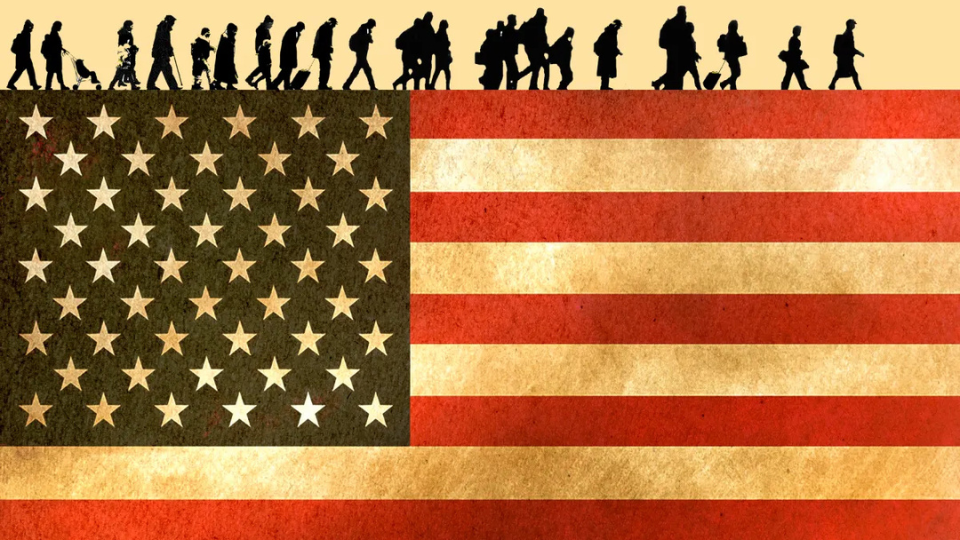
Startup Founders Warn $100K H-1B Fee Could Undermine U.S. Innovation
The recent hike in H-1B visa fees, raising the cost per application to $100,000, has triggered concern across the U.S. startup ecosystem. Founders say the move, announced by President Trump, could act as a “talent tariff,” pricing smaller companies out of hiring international workers and stifling innovation.
Startups React: Shocked and Dismayed
Amr Awadallah, founder of AI startup Vectara, expressed mixed feelings upon hearing the news.
“I can’t afford to pay $100,000,” Awadallah told TechCrunch. He currently employs one H-1B worker and worries that even though the fee applies only to new applications, the amount is prohibitive for many startups.
“The impact will be severe on the competitiveness and innovation of smaller startups compared to the hyperscales, the big businesses,” he added. “Pricing startups out will impact innovation in very, very negative ways longer term.”
What the H-1B Visa Changes Entail
The H-1B visa allows U.S. companies to hire skilled professionals in fields such as IT and engineering. Historically, employers paid fees ranging from $2,000 to $5,000 per application. Under the new policy, announced Friday, this fee skyrockets to $100,000, a change set to affect the March lottery for new visas.
Immigration has long been a key focus for President Trump, who during his 2016 campaign accused companies of using H-1B visas to replace U.S. workers.
Critics highlight the visa’s track record in bringing highly successful founders to the U.S., including Google’s Sundar Pichai, Microsoft’s Satya Nadella, and Elon Musk. The visa has traditionally been faster to obtain than a green card and more accessible than the O-1 visa for individuals with extraordinary ability.
Economic and Talent Implications
The H-1B visa currently supports over 700,000 residents in the U.S., along with more than 500,000 dependents, according to advocacy group fwd.us. Indian nationals are the largest recipients, followed by Chinese nationals and other countries, according to U.S. Citizenship and Immigration Services.
Only 85,000 new visas are issued annually—20,000 of which are reserved for recent U.S. graduates—making the lottery highly competitive. Tech companies have lobbied for years to expand the annual cap.
Critics argue that some firms exploit the visa to hire lower-cost foreign labor, while visa holders face restrictions tied to their employer and risk deportation if their job ends. Proponents of the fee hike claim it could reduce lottery applications by limiting the number of companies able to pay.
Approximately 55,000 of the 85,000 H-1B visas are allocated to computer-related jobs. Business marketplace DesignRush told TechCrunch that the new fee could raise the cost of hiring H-1B tech talent from $200–$400 million to $5.5 billion annually. Additionally, minimum salary requirements for H-1B workers will increase, aimed at protecting U.S. workers from undercutting.
Legal Uncertainties
Sophie Alcorn, an immigration lawyer working with startups, noted that several questions remain unanswered. It is unclear whether the $100,000 fee is refundable if an application is denied or whether pending petitions are subject to the new rules.
“This is forcing us to pause, hopefully temporarily, numerous H-1B petitions for aspiring founders,” Alcorn told TechCrunch. “We’re waiting for more guidance.”
Silicon Valley Concerns
Startups in Silicon Valley cite a shortage of U.S. technical talent, particularly in AI engineering, and rely on global hiring.
Brian Sathianathan, co-founder and CTO of AI company Iterate, credited the H-1B visa for previous startup successes. “My last company I co-founded and sold, my co-founder was on an H-1B visa. My head of engineering was on an H-1B visa,” he said. “With such high fees, that would not have been possible.”
Other founders say the fee could send a discouraging signal to foreign talent. Hemant Mohapatra, India-based partner at Lightspeed Venture Partners and a former H-1B holder, warned of an innovation gap as many unicorns and decacorns are founded by immigrants.
Jeffrey Wang, co-founder of AI company Exa.ai, echoed the sentiment: “I heard the news and was like this makes me kind of sad. I feel like people like my parents wouldn’t be able to come to America anymore.”
While the Trump administration cited national interest, Wang stressed that attracting top talent strengthens U.S. security and innovation.
Startups Explore Alternatives
With the H-1B hike in effect, startups are seeking alternatives. Some lobby for exceptions for early-stage companies, while others consider O-1 visas for extraordinary ability, though spouses cannot work, or the EB-1A visa, which allows dependents to work.
Jack Thorogood, CEO of payroll company Native Teams, observed a 50% increase in U.S. companies exploring visa-free global hiring or remote work. “One H-1B hire will now equal up to 20 remote hires in many other countries,” he said.
Markets like Canada, Germany, and the U.K. are emerging as attractive tech hubs. Oliver Kent-Braham, CEO of U.K.-based unicorn Marshmallow, noted, “If the U.S. is raising barriers, the U.K. and others should adapt accordingly to harness the amazing talent that exists from all corners of the world.”
Daniel Wigdor, AI venture studio founder and professor at the University of Toronto, warned that the fee hike risks undermining U.S. global tech dominance. “Instead of competing for the world’s best, they’re testing how much companies will pay to import them,” he said.



0 Comments