


Superorganism Raises $25.9M to Fuel Biodiversity-Focused Startups
Launched in 2023, Superorganism positions itself as the first venture capital firm solely focused on biodiversity, aiming to act as the “conservationist on the cap table” for startups that prioritize nature.
The firm has now closed its inaugural fund, securing $25.9 million in capital commitments from organizations such as Cisco Foundation, AMB Holdings, and Builders Vision, alongside individual investors including Jeff Jordan, partner at Andreessen Horowitz.
Investing Across Biodiversity Innovation
Superorganism supports companies in three main areas:
-
Tech that slows or reverses species extinction
-
Startups operating at the intersection of climate and biodiversity
-
Tools enabling conservationists to work more efficiently
The firm typically writes checks ranging from $250,000 to $500,000 for pre-seed and seed-stage companies. Additionally, it commits 10% of its profits to future conservation initiatives.
“You could think of us a lot like a climate tech fund, but instead of thinking about, where can we emit less carbon dioxide or avoid emissions in the first place, we’re doing the same thing for nature loss,” said Kevin Webb, managing director at Superorganism, in an interview with TechCrunch.
Spotlight on Portfolio Companies
Superorganism’s portfolio illustrates its approach. Take Spoor, for example: its software leverages computer vision to track bird movements and migration patterns, helping wind farm developers reduce ecological harm. By monitoring bird activity, Spoor ensures compliance with strict environmental regulations, minimizing project delays and protecting wildlife.
Founders’ Journey
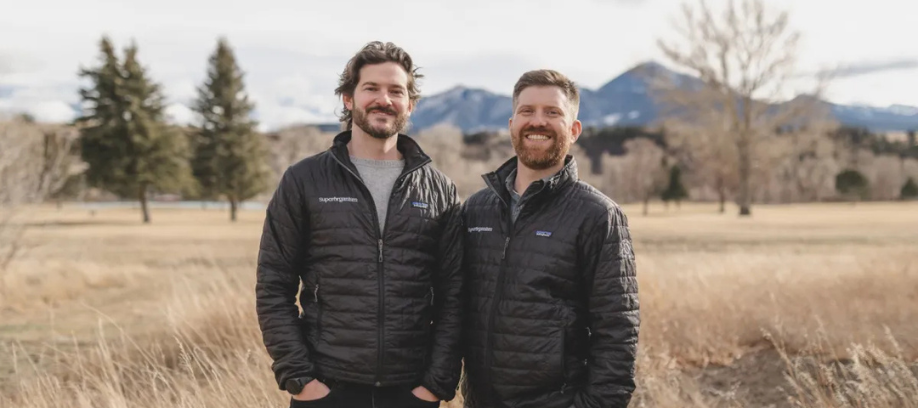
Webb and co-founder Tom Quigley described their partnership as “kismet” to TechCrunch in 2023. Webb initially made angel investments focused on biodiversity to explore its viability as a venture strategy. Impressed by Quigley’s experience, he reached out, and the two began developing the Superorganism concept in 2022.
Despite shifting political dynamics around climate and nature conservation, particularly in the U.S., the firm successfully reached its $25 million target.
Differentiating from Climate Funds
Some potential limited partners initially needed clarity on what sets Superorganism apart from traditional climate tech funds. According to Quigley, the distinction becomes evident when reviewing the firm’s diverse portfolio, which spans multiple industries and attracts varied follow-on investors and customers.
“We are purposely building a diverse portfolio,” Quigley said. “It allows us to show what the best biodiversity companies look like across all industries, across all tech types. We think that there’s a showcase portfolio for a fund — one that’s a really powerful thing, and it’s a really stable portfolio that’s not too [affected] by different headwinds in different industries or different government policies of the day.”
Biodiversity Beyond Partisan Politics
Some biodiversity initiatives transcend political divides. For example, Republican Florida Governor Ron DeSantis recently recognized Inversa, a Superorganism portfolio company that converts invasive species into leather goods, for tackling the Everglades python problem.
Plans for Growth
To date, Superorganism has invested in 20 companies and aims for a final portfolio of around 35 companies for this fund.
“We recognize that we’re the first and we need to be there to sort of bring others along where they might be interested in taking their first bet on biodiversity, helping them find and support the right ones that can move the needle,” Quigley said.




0 Comments