


CES 2026 Opens Its Doors in Las Vegas
CES 2026 is now fully underway in Las Vegas, with the exhibition floor open to the public following several high-profile press days. Major announcements from companies such as Nvidia, Sony, and AMD set the tone early, complemented by first-look previews during Sunday’s Unveiled showcase.
As with the previous two editions of CES, artificial intelligence dominates much of the conversation. However, the event remains true to its roots, featuring meaningful hardware upgrades and unconventional concepts that continue to define the world’s largest consumer electronics show. Below is a roundup of some of the most notable announcements and developments revealed so far.
Nvidia Unveils Autonomous Vehicle AI and Rubin Architecture
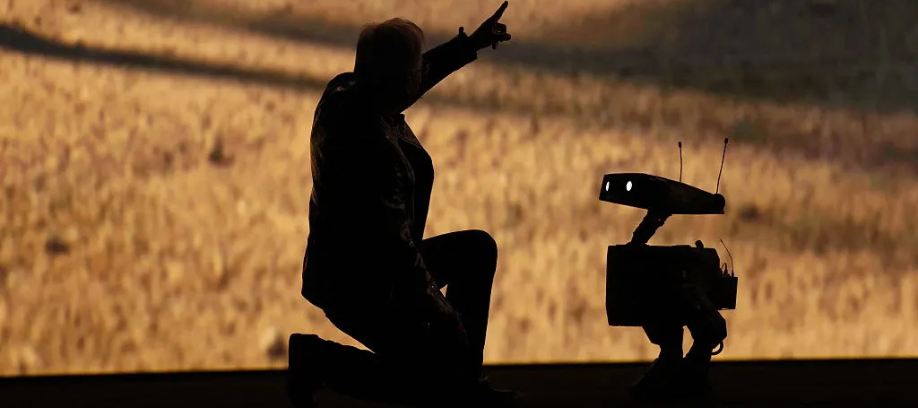
Nvidia CEO Jensen Huang delivered one of the most anticipated keynote presentations at CES 2026, reflecting on the company’s AI-driven momentum while outlining its roadmap for the year ahead.
Central to Nvidia’s announcements was the Rubin computing architecture, designed to address the rapidly increasing computational demands created by widespread AI adoption. Rubin is expected to begin replacing Nvidia’s Blackwell architecture in the second half of the year, offering improvements in both processing speed and storage capacity.
Nvidia also reinforced its ambition to bring AI deeper into real-world applications by showcasing Alpamayo, a family of open-source AI models and tools intended for use in autonomous vehicles throughout 2026. This initiative aligns with Nvidia’s broader strategy of positioning its infrastructure as a foundational platform for general-purpose robotics.
AMD Showcases New Chips and Expanding AI Partnerships
AMD Chair and CEO Lisa Su opened CES 2026 with the event’s first keynote, joined by a range of notable partners including OpenAI President Greg Brockman, AI pioneer Fei-Fei Li, and Luma AI CEO Amit Jain.
Beyond highlighting strategic partnerships, AMD focused on expanding access to AI-powered computing through personal devices. The company detailed its plans for wider AI adoption via its Ryzen AI 400 Series processors, which aim to bring advanced AI capabilities directly to consumer PCs.
Boston Dynamics and Google Collaborate on Atlas Robots
Robotics took centre stage during Hyundai’s press conference, where it was confirmed that Boston Dynamics is partnering with Google’s AI research division to train and operate its Atlas humanoid robots.
The collaboration covers both existing Atlas models and a new iteration unveiled during the event. The partnership signals a strategic move away from competing AI platforms, underscoring Google’s growing influence in robotics and embodied AI systems.
Amazon Deepens Its AI Ecosystem with Alexa and Ring Updates
Amazon used CES 2026 to significantly expand its AI footprint across consumer products. The company introduced Alexa.com for Early Access users, allowing customers to interact with Alexa+ through web browsers, alongside a redesigned, AI-focused mobile app.
Additional announcements included updates to Fire TV and the introduction of new Artline TVs, both designed to further integrate Alexa+ into home entertainment experiences.
Amazon-owned Ring also revealed a suite of new features, including enhanced fire alerts and the launch of an app marketplace enabling third-party camera integrations, further extending its smart home ecosystem.
Razer Experiments with AI Through Project AVA and Project Motoko
Known for bold and unconventional CES concepts, Razer shifted its focus toward AI in 2026. The company introduced Project Motoko, a system designed to replicate smart-glasses-style functionality without requiring wearable hardware.
Razer also unveiled Project AVA, an AI companion represented by a digital avatar designed to sit on a user’s desk. Both projects reflect the company’s evolving strategy as it explores AI-driven user interaction beyond traditional gaming hardware.
Lego Makes Its CES Debut with Smart Play Technology
Lego marked its first-ever appearance at CES with a private demonstration of its Smart Play System. The system features interactive bricks, tiles, and Minifigures capable of communicating with each other and producing sound.
The initial product lineup includes two Star Wars–themed sets, signaling Lego’s intention to blend physical play with connected, digital experiences.
Looking Ahead
CES 2026 continues to reinforce AI’s central role in shaping the future of consumer technology, from advanced computing architectures and autonomous systems to smart homes and interactive entertainment. As the event progresses, further announcements are expected to shed light on how these innovations will translate into real-world applications and commercial opportunities.




0 Comments