


New York Approves RAISE Act, Strengthening State-Level AI Safety Oversight
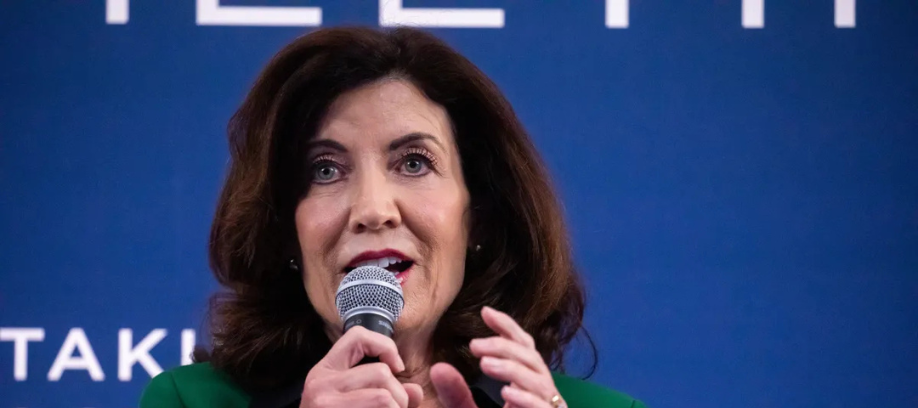
New York has taken a significant step toward regulating artificial intelligence after Governor Kathy Hochul signed the RAISE Act into law, making the state the second in the U.S. to introduce comprehensive AI safety legislation. The move places New York alongside California in setting formal guardrails for the development and deployment of advanced AI systems.
Law Passed After Political Negotiations
The RAISE Act was approved by New York state lawmakers in June, though its path to becoming law was not without resistance. Following lobbying efforts from major technology firms, Governor Hochul proposed revisions aimed at softening the bill’s impact.
According to The New York Times, Hochul ultimately agreed to sign the original version of the legislation, while lawmakers committed to considering her proposed amendments during the next legislative session.
New Obligations for Large AI Developers
Under the RAISE Act, major AI developers will be required to publicly disclose details about their AI safety measures. Companies must also notify the state of any safety-related incidents within 72 hours of becoming aware of them.
The legislation additionally establishes a dedicated AI oversight office within the New York Department of Financial Services, tasked with monitoring AI development and compliance across the state.
Penalties for Non-Compliance
The law introduces meaningful financial consequences for violations. Companies that fail to submit required safety disclosures or that provide misleading information face fines of up to $1 million, increasing to $3 million for repeat offenses.
Aligning With California’s AI Framework
In announcing the signing, Hochul referenced similar legislation enacted in California, where Governor Gavin Newsom approved an AI safety bill in September.
“This law builds on California’s recently adopted framework, creating a unified benchmark among the country’s leading tech states as the federal government lags behind, failing to implement common-sense regulations that protect the public,” Hochul said.
Lawmakers Push Back Against Big Tech
State Senator Andrew Gounardes, one of the bill’s sponsors, framed the legislation as a direct response to industry pressure.
“Big Tech thought they could weasel their way into killing our bill. We shut them down and passed the strongest AI safety law in the country,” Gounardes posted.
Assemblyman Alex Bores co-sponsored the bill alongside Gounardes. A super PAC backed by Andreessen Horowitz and OpenAI President Greg Brockman has since moved to challenge Bores politically. Commenting on the effort, Bores said, “I appreciate how straightforward they’re being about it.”
Mixed Reactions From the AI Industry
Not all technology leaders oppose the RAISE Act. Both OpenAI and Anthropic expressed support for the legislation while continuing to advocate for federal-level AI regulation.
Anthropic’s head of external affairs, Sarah Heck, told The New York Times:
“The fact that two of the largest states in the country have now enacted AI transparency legislation signals the critical importance of safety and should inspire Congress to build on them.”
Federal Tensions Over State AI Laws
The legislation arrives amid growing friction between state and federal authorities. Former President Donald Trump recently signed an executive order directing federal agencies to challenge state-level AI regulations. The order, supported by Trump’s AI adviser David Sacks, is widely seen as an effort to limit states’ ability to regulate emerging AI technologies and is expected to face legal challenges.
The issue, including the roles played by Sacks and Andreessen Horowitz (a16z) in opposing state AI rules, was also discussed in a recent episode of the Equity podcast.



0 Comments