


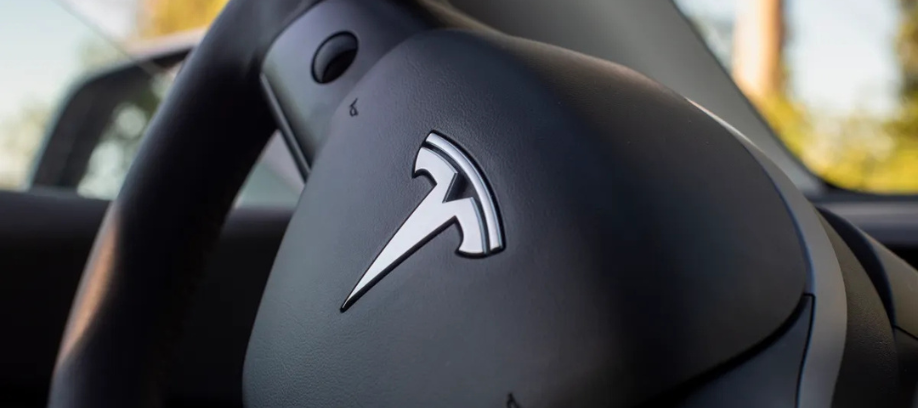
Court Sides With California DMV in Tesla Autopilot Case
A California administrative law judge has determined that Tesla used deceptive marketing practices that created a misleading impression about the real-world capabilities of its Autopilot and Full Self-Driving (FSD) driver assistance systems. The ruling marks a major turning point in a long-running case brought by the California Department of Motor Vehicles (DMV), which has challenged how the electric vehicle maker promotes its advanced driver assistance software.
The judge agreed with the DMV’s request to suspend Tesla’s sales and manufacturing licences in California for 30 days as a penalty. However, the DMV has temporarily stayed the suspension, giving Tesla 60 days to comply with the order. To avoid the penalty, Tesla must either stop using the “Autopilot” name or deliver software that makes its vehicles fully autonomous. Failure to do so would trigger the licence suspension.
Tesla Signals It Will Not Comply
Despite the ruling, Tesla has indicated that it does not intend to change its approach. In a post on X, the company stated: “Sales in California will continue uninterrupted.”
Tesla further argued that the decision was unjustified, writing:
“This was a ‘consumer protection’ order about the use of the term ‘Autopilot’ in a case where not one single customer came forward to say there’s a problem.”
The judge rejected this defence, stating that regulatory authority does not depend on evidence of direct harm.
Judge Emphasises Preventive Authority
In her written decision, the judge made clear that the DMV is empowered to act before consumers are harmed.
“The DMV’s authority to regulate vehicle advertising does not depend on evidence that any particular advertising actually has deceived or harmed any person,” she wrote. The agency is permitted to “act affirmatively to prevent deceptive advertising.”
Anticipating Tesla’s likely refusal to comply, the judge addressed the consequences directly:
“Without the incentive of suspension, however, [Tesla] offers no reason for the DMV to expect that respondent will alter the Autopilot name, or will act to avoid continuing its misrepresentations to the public regarding its vehicles’ ADAS functions,” she said, adding that “Suspension of respondent’s licenses is a reasonable remedy.”
DMV Reaffirms Safety Standards
The California DMV reinforced its position following the ruling. DMV Director Steve Gordon said in a statement:
“The DMV’s decision today confirms that the department will hold every vehicle manufacturer to the highest safety standards to keep California’s drivers, passengers and pedestrians protected.”
He added that Tesla has options to resolve the issue:
“Tesla can take simple steps to pause this decision and permanently resolve this issue — steps autonomous vehicle companies and other automakers have been able to achieve in California’s nation-leading and supportive innovation marketplace.”
Broader Scrutiny of Tesla’s Autonomy Claims
The DMV case is part of wider regulatory and legal scrutiny facing Tesla. The company has previously been investigated by the California Attorney General, the U.S. Department of Justice, and the Securities and Exchange Commission over similar allegations that its marketing overstated the capabilities of its partial autonomy systems. Tesla has also faced — and settled — several civil lawsuits related to crashes involving Autopilot technology.
The DMV’s case has been progressing through California’s Office of Administrative Hearings for several years. Regulators alleged that Tesla’s messaging encouraged customers to believe its systems were capable of high levels of autonomy, leading to overconfidence and contributing to dozens of crashes and multiple fatalities. Tesla countered these claims by arguing that its marketing constituted protected speech.
Potential Impact on Tesla’s Business
Any suspension of sales in California, even on a temporary basis, could significantly affect Tesla’s operations. California remains the company’s largest U.S. market, and a manufacturing suspension would also pose challenges. Although Tesla has built a large factory in Austin, Texas — and relocated its headquarters there — it continues to rely heavily on its Fremont, California plant, which produces hundreds of thousands of vehicles, including all North America–bound Model 3 sedans.
Ruling Comes Amid Robotaxi Expansion
The timing of the decision is notable as Tesla accelerates testing of its Robotaxi service in Austin. Over the weekend, the company removed safety monitors from its limited fleet after six months of offering rides with monitors seated in the vehicle. According to CEO Elon Musk, those test vehicles operate on a different version of Tesla’s driving software than what is currently available to customers.

0 Comments