


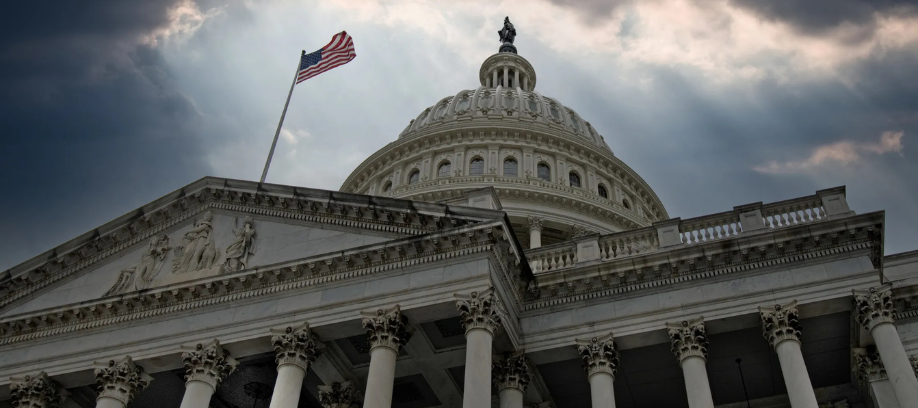
A Historic Shutdown with Uncertain Timing
The current shutdown, which began on Tuesday, is the first in seven years. Its duration remains uncertain due to the unpredictability of the Trump administration and deep political divisions in Congress. Out of eight shutdowns since 1990, four have taken place during Trump administrations. The most recent one lasted 35 days, making it the longest in modern U.S. history
Visa Processing: A Major Pain Point for Startups
One of the most pressing concerns for founders is immigration. The Department of Labor — responsible for initial approvals of H-1B visas and green cards — is currently shut down, effectively freezing the pipeline for high-skilled workers. Immigration attorney Sophie Alcorn explained:
“This creates significant uncertainty for a startup’s workforce, including founders who may be on visas themselves.”
Michael Scarpati, CEO of fintech firm RetireUS, added:
“Visa workers are hit hard in a shutdown because their status depends on government approvals. When processes like E-Verify or labor certifications stop, workers risk falling out of status, leaving their future in the U.S. uncertain and creating added disruption for the businesses that depend on them.”
With thousands of tech workers relying on visas, the potential disruption extends not just to employees but also to their families. Chris Chib, CEO of BlueFin Solves, emphasized the human toll:
“Many are understandably nervous about processing delays and how that affects their ability to stay and work. But just as these engineers help us persevere through complex challenges with ML algorithms and innovation, we owe them the same careful attention and commitment during this situation.”
Regulatory Delays Threatening Growth
Startups in regulated sectors such as healthcare, aerospace, and fintech may also face stalled permits and certifications. These delays could drain critical funds, disrupt operations, and even lead to layoffs. Jenny Fielding, managing partner at Everywhere Ventures, explained:
“Since we invest in many regulated areas, the shutdown can potentially halt-slash-slow down essential government functions like FDA approvals or aerospace permits, which can be an existential threat to a startup whose entire business model depends on a single regulatory green light.”
Fielding also noted the timing was particularly difficult. Her firm, which paused fundraising earlier due to tariff-related uncertainties, had just resumed efforts this week.
“And of course, we kicked off fundraising this week, so once again, terrible timing,” she said.
Preparing for Uncertainty
For many founders, preparation and flexibility are now essential. Garima Kapoor, co-founder of MinIO, whose husband initially entered the U.S. on an H-1B visa, urged startups to be proactive:
“When government agencies slow down, deals in highly regulated industries like fintech, health tech, or M&A can grind to a halt. Even companies operating outside the federal sphere could face shrinking valuations and tougher deal terms as more uncertainty seeps into the market.”
Kapoor advised founders to plan cautiously:
“Preparedness will separate those who weather the disruption from those who get caught flat-footed.”
Chib reinforced this message with optimism:
“Their resilience is part of what drives progress forward. To those facing these challenges, know this too shall pass. Persevere.”
The Bottom Line
While past shutdowns have had limited long-term economic impact, the startup community is particularly vulnerable due to its reliance on capital flow, skilled immigration, and regulatory approvals. If the shutdown is short, many companies may adapt with minimal damage. However, if it drags on, the ripple effects could include layoffs, delayed investments, and slowed innovation.
For startups, resilience, adaptability, and proactive planning will be key to weathering the storm.



0 Comments